Complex AI tools, explained with fun animations.
Short animated videos on how the systems behind AI tools actually work, with every claim checked against its source. Plus free Claude Code plugins from the videos, open source and ready to install.
How It Actually Works
Short animated explainers of the systems behind AI tools. One idea per episode, checked against the spec.
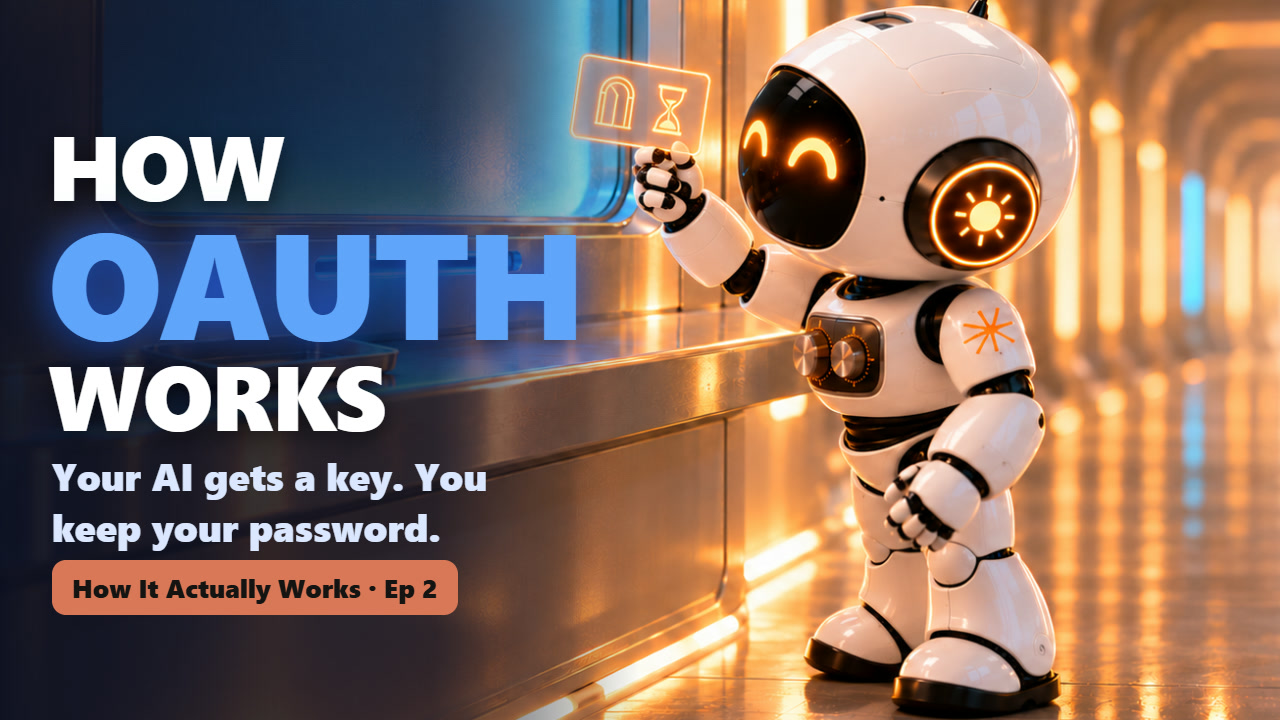
Episode 2 · 1:21
How OAuth actually works
Your AI gets a key for one door that expires. You keep your password.
Verified against the MCP authorization specification, revision 2026-07-28
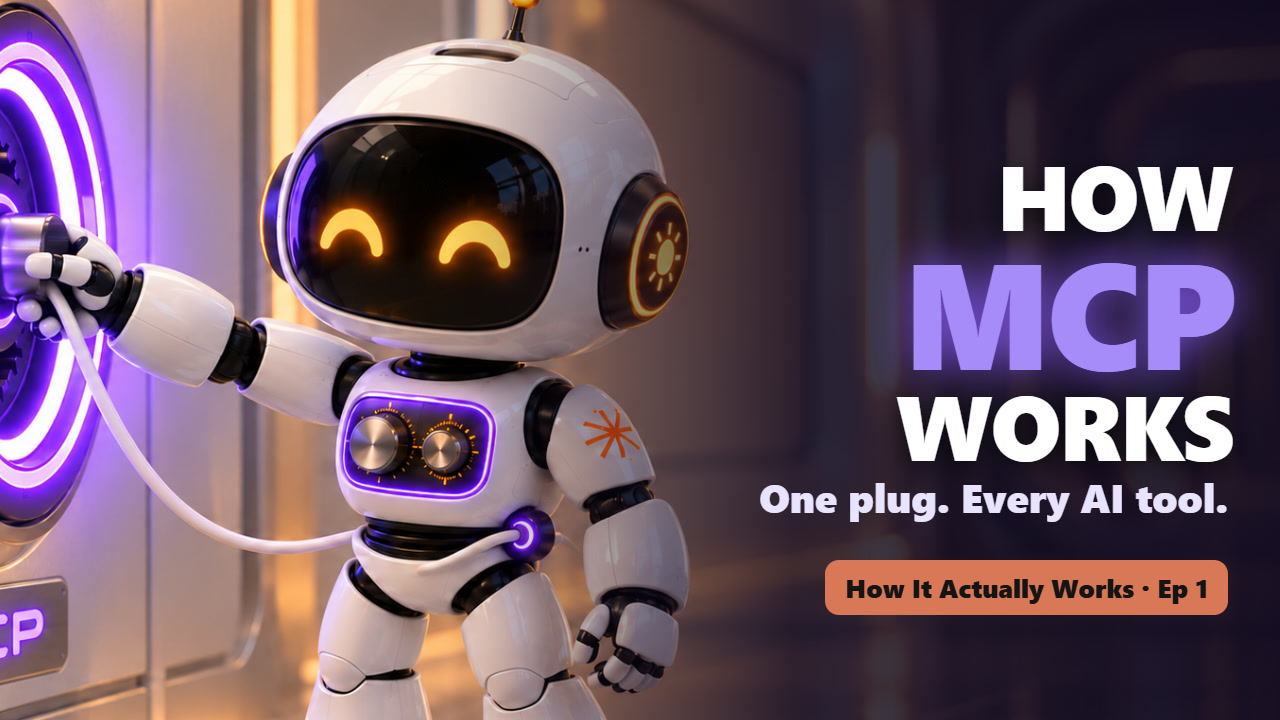
Episode 1 · 1:25
How MCP actually works
One plug lets any AI app use any tool, and you decide what runs.
Verified against the MCP specification, revision 2026-07-28
AI Superpowers Unlocked
Practical AI skills I actually use, one per video.



AI News
Current AI headlines, checked. A short video, then the deep version: every fact tagged confirmed, claimed, our math or unproven.
Free plugins
Free Claude Code plugins from the videos. Open source, with a prompt to check each one before you install it.

How this started
This site began as an experiment in shipping software written entirely by Claude, with no code review and a nightly job checking the results instead. Then the explainers took over. The experiment is still here, as it was.
Read how it started →